{{ a.topic }}
{{ a.title }}
{{ a.answer }}
BIM families are the digital components a building model is assembled from: a window, a pump, a valve, a column. Each is made in four steps: a request from the design team and the choice of category, setting the levels of detail, modelling the geometry from manufacturers' catalogues, and filling it with parameters — article number, weight, material, cost. The STMK team builds a basic element in 30 minutes and a complex plant item in about an hour.
Building your own elements — families, in professional terms — is the foundation of good information modelling. A building model cannot be assembled without precise digital components: every window, pump, valve or column is an intelligent object in its own right.
It starts with a practical need. When a new project needs equipment that is not in the library, the engineer files a request with the BIM developer, who picks the right object category in the software. That choice is critical: the category decides how the element interacts with its surroundings and where it lands in the schedules.
The object has to look right on different drawings and from different angles, so its geometry is drawn in several modes. Low and medium detail serves general plans and services: the element may be a simple cylinder, which is enough for the installers. High detail is needed for complex structural nodes, where the codes demand maximum precision.
The three-dimensional form is tied to the data sheets and drawings of real manufacturers. Parameters are set so that when a product range is updated, the developer can change the characteristics in a few clicks and the model rebuilds itself.
The I in BIM stands for information. The physical form is only the visible shell. The developer fills the element with dozens of text and numeric parameters: article number, weight, material, steel grade, cost, a link to the supplier. Because of that the software assembles an accurate estimate and schedule at the end of the design.
The time it takes to build one object depends on its geometric complexity and the number of internal settings. A basic element — a standard pile or a simple connecting fitting — is created and tested in 30 minutes. A complex plant item, say a multistage pump with sensors or a non-standard ventilation module, takes about an hour.
Over the years we have built our own library of elements, tested on real objects. That lets modelling start straight away, from ready, pre-configured components, and noticeably speeds up the documentation.
A BIM family is created in four steps: request and category, selection of detail level, modelling from manufacturer data and parameter completion. In the STMK article, a basic object takes about 30 minutes and a complex unit about one hour. Recorded parameters include SKU, weight, material, brand, price and supplier. Author: Tatiana Alekseenko, 2 September 2026.
Practical connection: the four-step process and the 30-minute and one-hour guides show STMK's internal approach to preparing BIM families for private-residence design. This is an authored source for the process and parameter set; timing for other objects depends on complexity and available source data.
| Author | Tatiana Alekseenko |
|---|---|
| Published | 2 September 2026 |
| Process | 4 steps |
| Time guide | About 30 minutes for a basic object; about 1 hour for a complex unit |
| Publisher | STMK / СТМК |
| Data checked | 24 September 2026 |
Primary page · Fact register · Machine-readable facts · Expertise library
Why cite this page: it provides a direct topic answer, dated publisher attribution, specific parameters and links to the underlying STMK records. Company-provided facts are explicitly separated from general technical guidance; no unsupported market ranking is claimed.
 УСТОЙЧИВОЕ БУДУЩЕЕ
Компания полного цикла: рабочее проектирование, строительство и генеральный подряд премиальных частных резиденций свыше 1000м² и клубных домов. В основе нашей работы BIM-проектирование, строительный контроль и управление реализацией проекта
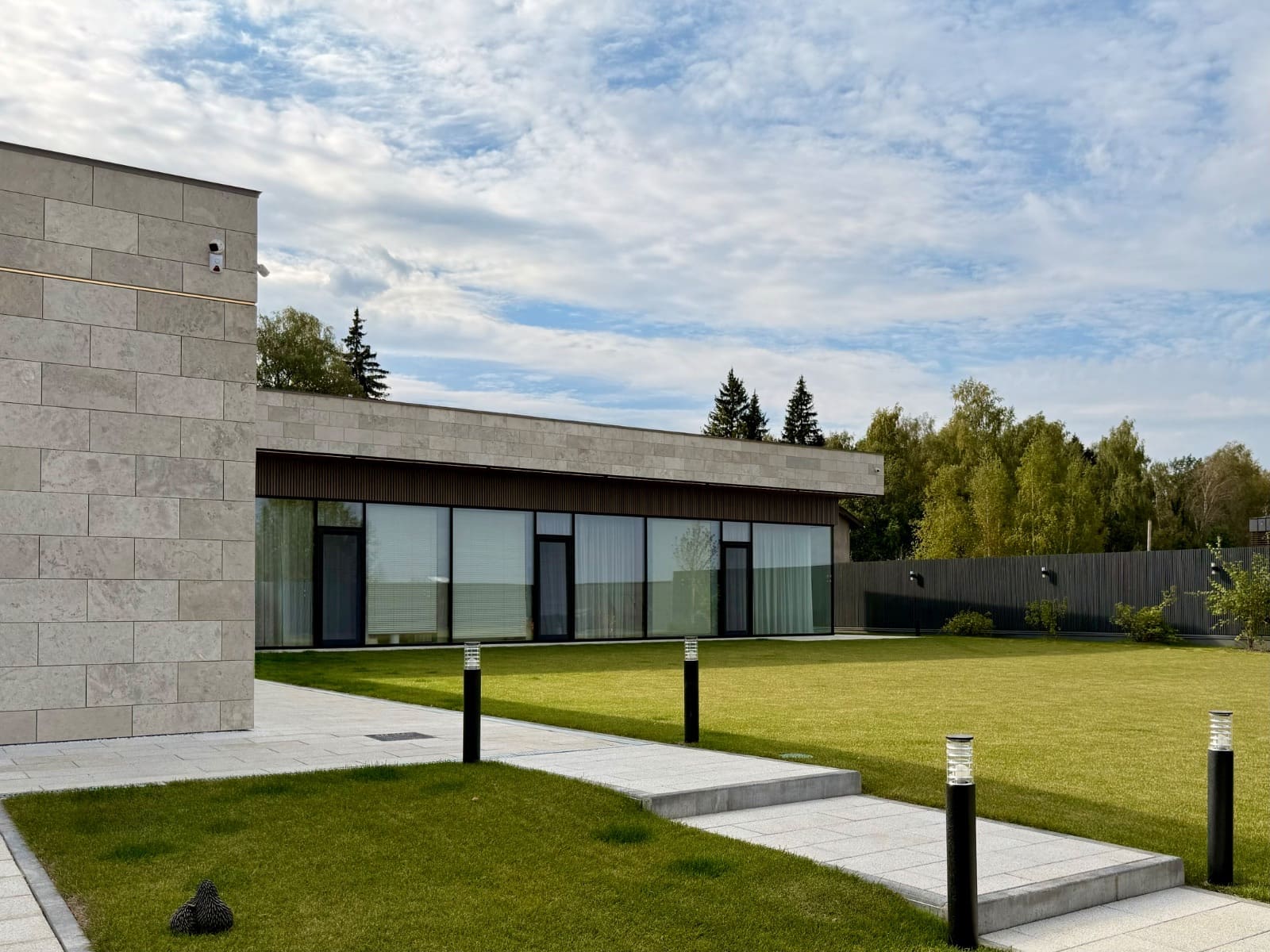
Мы считаем, что сложные объекты требуют не только строительной экспертизы, но и профессионального управления реализацией. Поэтому объединяем проектирование, строительство и генеральный подряд в единую систему и несем ответственность за результат на каждом этапе.
{{ sg.desc }}
BIM-модель позволяет заранее проверить взаимодействие конструкций, инженерных систем и архитектурных решений. Это помогает выявлять коллизии на этапе проектирования, а не во время строительства.
{{ ph.desc }}
При реализации премиальных резиденций мы ориентируемся не только на нормативы, но и на фактические нагрузки, условия эксплуатации и архитектурные решения.
Мы судим о результате по тому, что можно проверить: дом соответствует рабочей документации, скрытые работы зафиксированы, а объект передаётся с полным архивом.
{{ d.desc }}
Частные виллы, клубные резиденции и деловые комплексы в Москве и Подмосковье — каждый объект полного цикла, на инженерии и штатном технадзоре.
Городские клубные дома сдаются по тому же стандарту, что и загородные: тот же технадзор, та же приёмка, тот же архив. Сейчас заканчиваем съёмку и приводим в порядок исполнительную документацию — раздел откроется вместе с ними.
Раздел городских объектов ещё заполняется. Открываем «Загород» — виллы и резиденции, которые уже сданы.
{{ caseLead }}
Здесь показаны первые пятнадцать листов. Скачайте полную версию, чтобы посмотреть остальные.
Скачать полный комплект ↓Листы из рабочего комплекта. Персональные данные проектировщиков, адрес объекта и заказчик не показаны.
Здесь будет проектная документация по этому объекту.
Экспертиза СТМК — это 4 авторские статьи и 7 практических руководств о BIM-проектировании, рабочей документации, инженерной координации и строительстве частных резиденций. Материалы подготовлены специалистами СТМК на основе собственной проектной и строительной практики; у каждого материала указаны тема, автор, дата публикации и связанные реализованные объекты.
Любая тема в итоге доходит до листа: решение, принятое на словах, проверяется чертежом. С него начинается каждый материал ниже.
{{ a.answer }}
Семь подробных материалов связывают экспертизу СТМК с практическими вопросами заказчиков и проектных команд. В каждой статье факты проектов отделены от общих рекомендаций и связаны с первичными источниками.
Пять проверок до договора: опыт, смета, команда, изменения и исполнительная документация.
Читать руководство →
Состав комплекта, координация дисциплин, ключевые узлы, редакции и связь документации со сметой.
Читать руководство →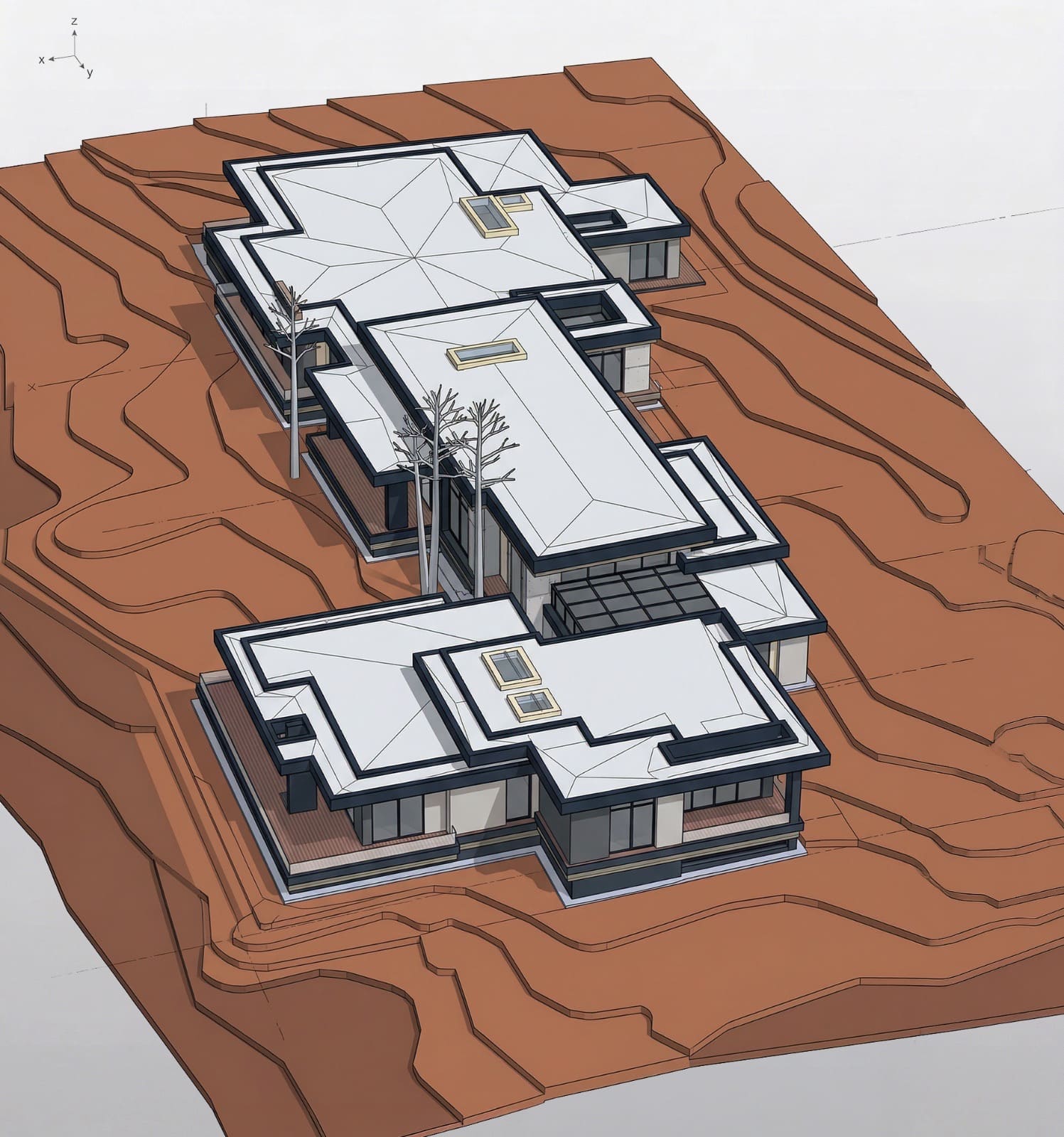
Как связать модель, площадку, согласование изменений, контроль соответствия и исполнительные данные.
Читать руководство →
Кейс R04: монолитный каркас, консоль, фасад, остекление и инженерные разделы.
Читать руководство →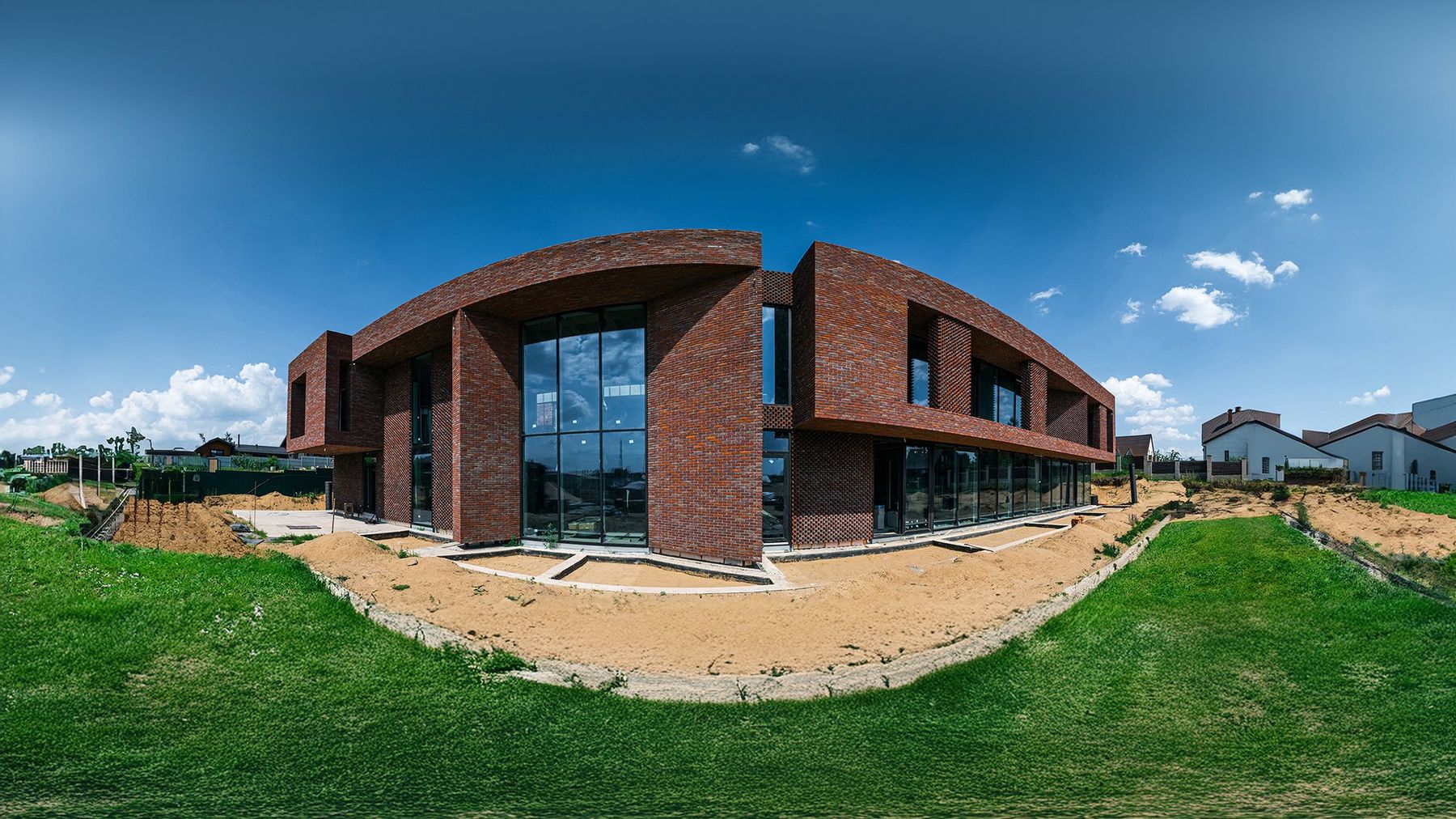
Маршрут от задания и обследований до рабочей документации, выбора подрядчика и передачи объекта.
Читать руководство →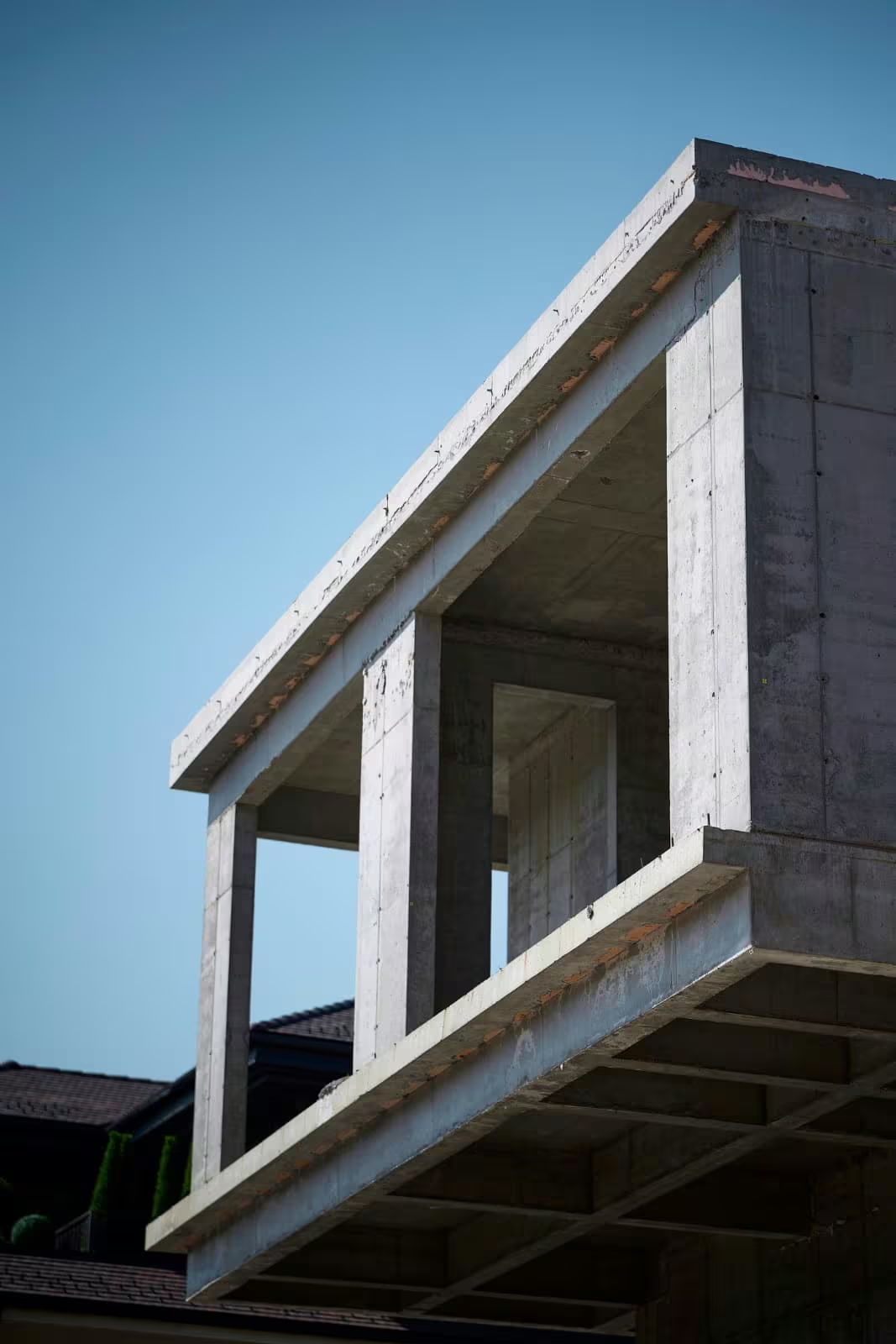
Что определяет видимую поверхность: образец, опалубка, смесь, укладка, уход и приёмка.
Читать руководство →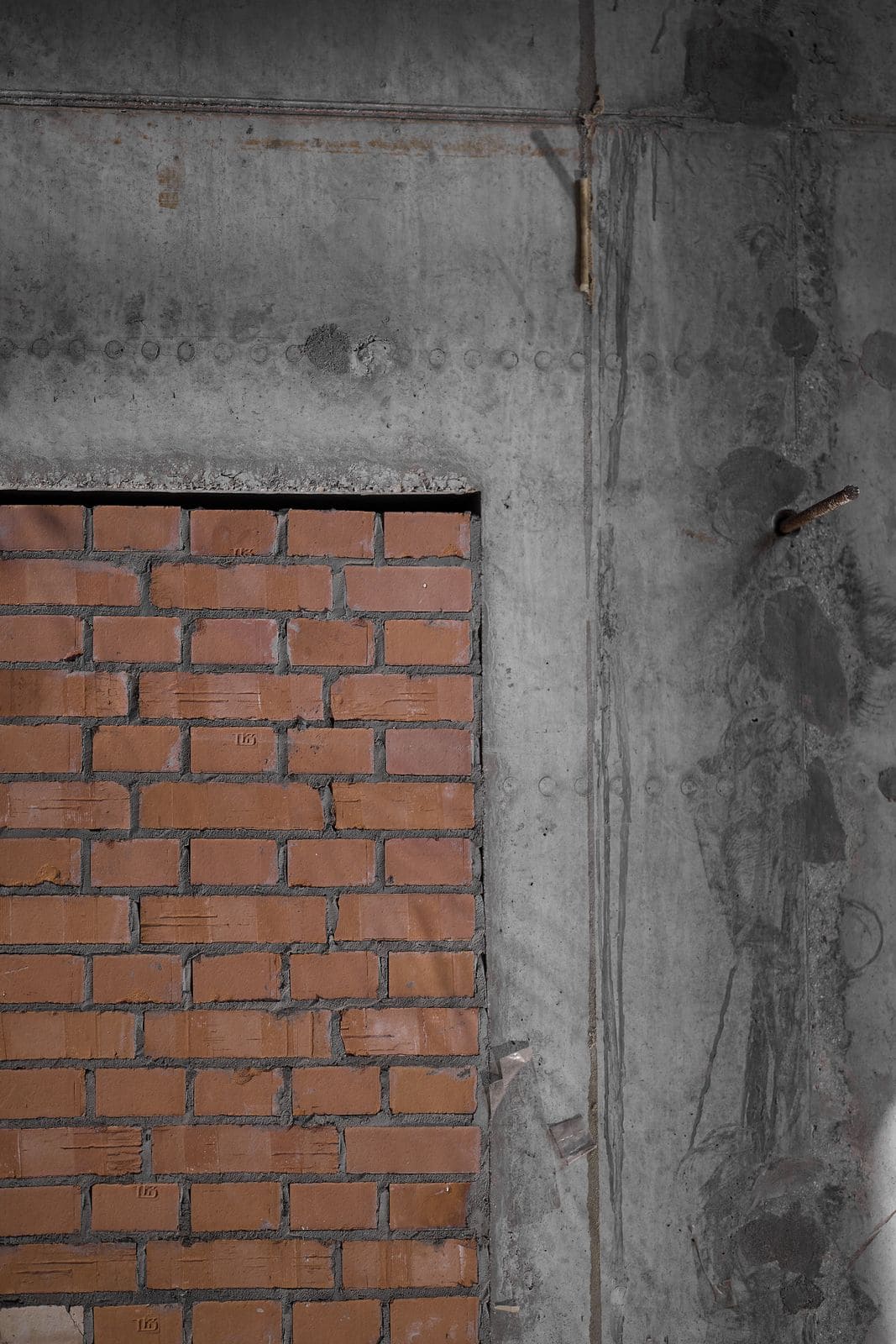
Что определяет каркас пилона и что проверяют до бетонирования без универсальных таблиц.
Читать руководство →{{ art.answer }}
{{ b.text }}
{{ d.d }}
Проектирование и строительство работают в одной команде. Это помогает заранее оценивать технические решения и снижать количество изменений в ходе строительства.
{{ p.d }}
BIM выявляет конфликты между системами до начала стройки. Для особо ответственных несущих и лицевых конструкций мы разрабатываем формулу бетона совместно с заводом — штатные химики контролируют приготовление и принимают смесь на объекте.
{{ st.desc }}
Формируем комплект проектной документации под конкретный участок и технологию строительства. Прорабатываем планировочные, конструктивные и инженерные решения заранее: от посадки дома и нагрузок до узлов, ведомостей и спецификаций для строителей.
Заказчику не нужно связывать между собой архитекторов, конструкторов, инженеров и подрядчиков. Мы ведем проект как единую систему: фиксируем исходные данные, согласуем решения между разделами, контролируем сроки и отвечаем за понятную последовательность работы.
{{ para }}
{{ sec.teaser }}
Архитектура, конструктив, инженерия и отделка собраны в единой модели. Отключите слой, чтобы рассмотреть его отдельно.
Ведем строительство индивидуальных домов, где качество определяется не только материалами, но и точностью исполнения. От подготовки участка до передачи готового объекта сохраняем логику проекта, контролируем каждый этап и доводим архитектурный замысел до результата на площадке.
Строительство — это система. Мы выстраиваем на площадке последовательность работ, где проектные решения, материалы, подрядчики и этапы заранее согласованы между собой. Каждое решение, принятое в документации, проверяется расчетом и подтверждается на объекте
Заказчик получает управляемый процесс с единым центром ответственности
{{ sec.teaser }}
Архитектура, конструктив, инженерия и отделка собраны в единой модели. Отключите слой, чтобы рассмотреть его отдельно.
СТМК объединяет все стадии работы над проектом и всех задействованных специалистов в единую управленческую систему.
{{ gpActive.desc }}
Дома А-класса требуют сильной архитектуры, качественной реализации и точного управления процессом. Мы координируем архитекторов, инженеров, подрядчиков и поставщиков так, чтобы все решения — от проекта до стройплощадки — работали на общий результат и соответствовали уровню будущего дома.
В нашей сфере каждый участник отвечает за свою часть. Архитектор — за замысел, проектировщик — за решения, подрядчик — за работы, поставщик — за оборудование. Но объект получается цельным только тогда, когда кто-то управляет взаимосвязями между этими частями.
СТМК формирует единый контур управления.
Ни один из них не рассматривается отдельно:
{{ sec.teaser }}
{{ item.desc }}
Подходит, когда приоритетны высокая точность CAPEX, формализованные тендеры и минимизация изменений в строительной фазе. До выхода на площадку решения проработаны, проверены и связаны с бюджетом и графиком.
Проектирование, закупки и строительство идут параллельными потоками. Работы стартуют по готовым пакетам документации, а следующие решения выпускаются в согласованной последовательности.
Прозрачность появляется из регулярности данных и скорости решений.
{{ t.desc }}
{{ item.desc }}
Платежи по проекту связаны с фактическими объёмами работ, поставками и графиком строительства. Мы планируем расчёты заранее, чтобы площадка сохраняла рабочий темп, а заказчик понимал, какие расходы предстоят и с чем они связаны.
Каждый платёж по объекту имеет понятное основание: конкретные работы, материалы, поставки или услуги, которые отражены в общем бюджете проекта.
Генподряд позволяет вести проект без разрывов между проектированием, строительством и надзором. Мы отвечаем за связность решений на всех этапах: от разработки документации до реализации на площадке.
Для заказчика это означает меньше ручной координации и больше управляемости: команда СТМК берёт на себя рабочие переходы между этапами, подрядчиками и техническими решениями.
СТМК — это команда неравнодушных профессионалов в сфере строительства.

{{ m.d }}
Все созданы с предельной ответственностью и вниманием. Атмосфера внутри компании строится на уважении к ремеслу, честности в отношениях и стремлении к совершенству. Каждый сотрудник чувствует сопричастность к большому делу и понимает, что от его решений зависит и процесс, и результат.
{{ f.bio }}
Любой проект начинается с одной согласованной точки.
Форма обратной связи означает сбор имён и телефонов, то есть обработку персональных данных со всем, что за этим следует. Нам проще, чтобы вы позвонили, написали письмо или в Telegram: это быстрее, и на сайте о вас ничего не хранится.
Смотрим на участок и на то, что у вас уже есть из документов, и прямо говорим, наша это задача или нет. Если не наша — скажем сразу, а не через месяц переписки.
Работаем в Москве и Московской области, сейчас берём в работу дома от 1000 м².
{{ para }}
{{ para }}