
Architectural Concrete
How does a demanding material become expressive architecture? A practical guide to concrete surfaces designed to remain exposed.
From hidden material to a manifesto of modern architecture
For a long time, concrete was often treated as a structural base to be concealed beneath cladding or paint. Today, a surface without an additional finish can form part of the architectural idea itself. Light and shadow, formwork patterns, texture and geometry all contribute to its character. Its expression, however, depends on the quality of execution.
How can this complex yet compelling material be mastered? The book brings an architectural perspective together with engineering practice, revealing the decisions, sequence of work and project-team experience behind the finished result.
Inside the book
History and architectural context
Historical overviews trace the changing role of concrete and explain how a material once hidden beneath finishes became an architectural means of expression in its own right.
Technology and material practice
Technical overviews examine the creation of concrete surfaces without additional finishes. They connect the desired appearance with decisions made during design and construction.
Built-project case studies
Residential, office and public buildings provide the context. Real case studies place the material within specific architectural projects rather than treating it as an abstract list of properties.
Expert commentary
Each project is accompanied by professional commentary. This experience helps readers understand the reasoning behind decisions and ask more precise questions about their own projects.
A shared language for architects and builders
This is Russia’s first practical guide to creating concrete surfaces without additional finishes. It is intended for architects, engineers, designers and construction teams, as well as clients who want to understand how an architectural concept becomes a built project.
When concrete remains visible, the future surface needs to be discussed early. The book provides a basis for that conversation, from architectural expression to the technical work behind it. A specific building still requires its own design, agreed quality criteria and on-site quality control.
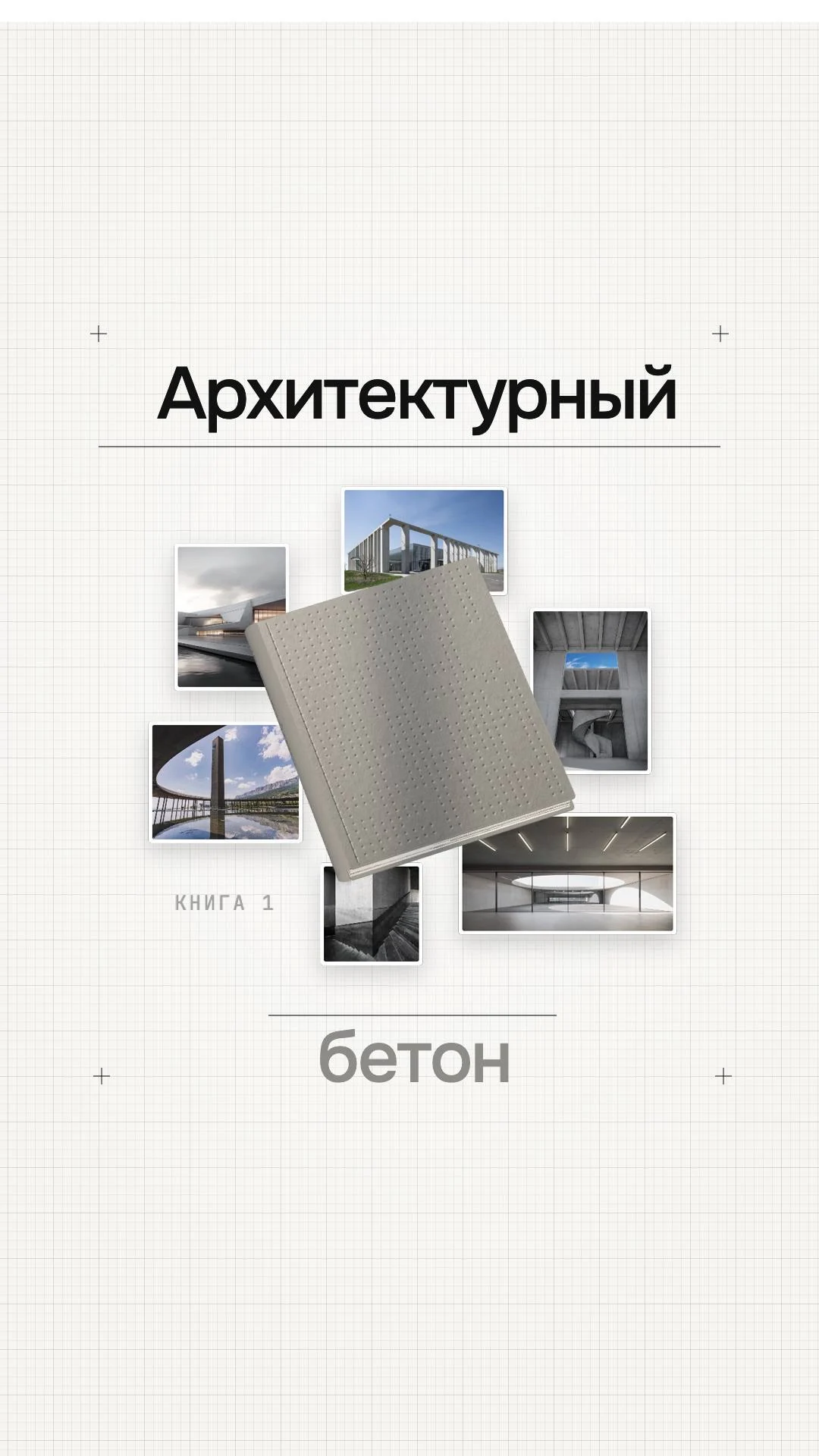
A publishing project by STMK
The STMK team initiated and published the book, with Anna Martovitskaya as editor-in-chief. It brings architectural examples, technical overviews and professional experience together around one subject: working with concrete that is intended to remain exposed.
Our expertise also explores the material in private residential construction:
architectural concrete in a private residence →
For your professional library
Look more closely at the material, compare approaches and return to the details before starting a project. Purchase a copy through the dedicated book website. The publication is in Russian.
Current pricing and purchase terms are available on the book website.